Learning guide
Learn English with short videos: watch, notice, replay
Make short English videos part of an active learning routine. Practise listening, use subtitles carefully and revisit useful expressions.
 Lexiego.
A different kind of language learning
Learn English and German through short stories and videos. Read, listen and explore words in the moment — then make them part of your own vocabulary.


How it works
A scene gives you a reason to keep reading. Sound and meaning help you stay with it. Review gives useful words another place in your day.
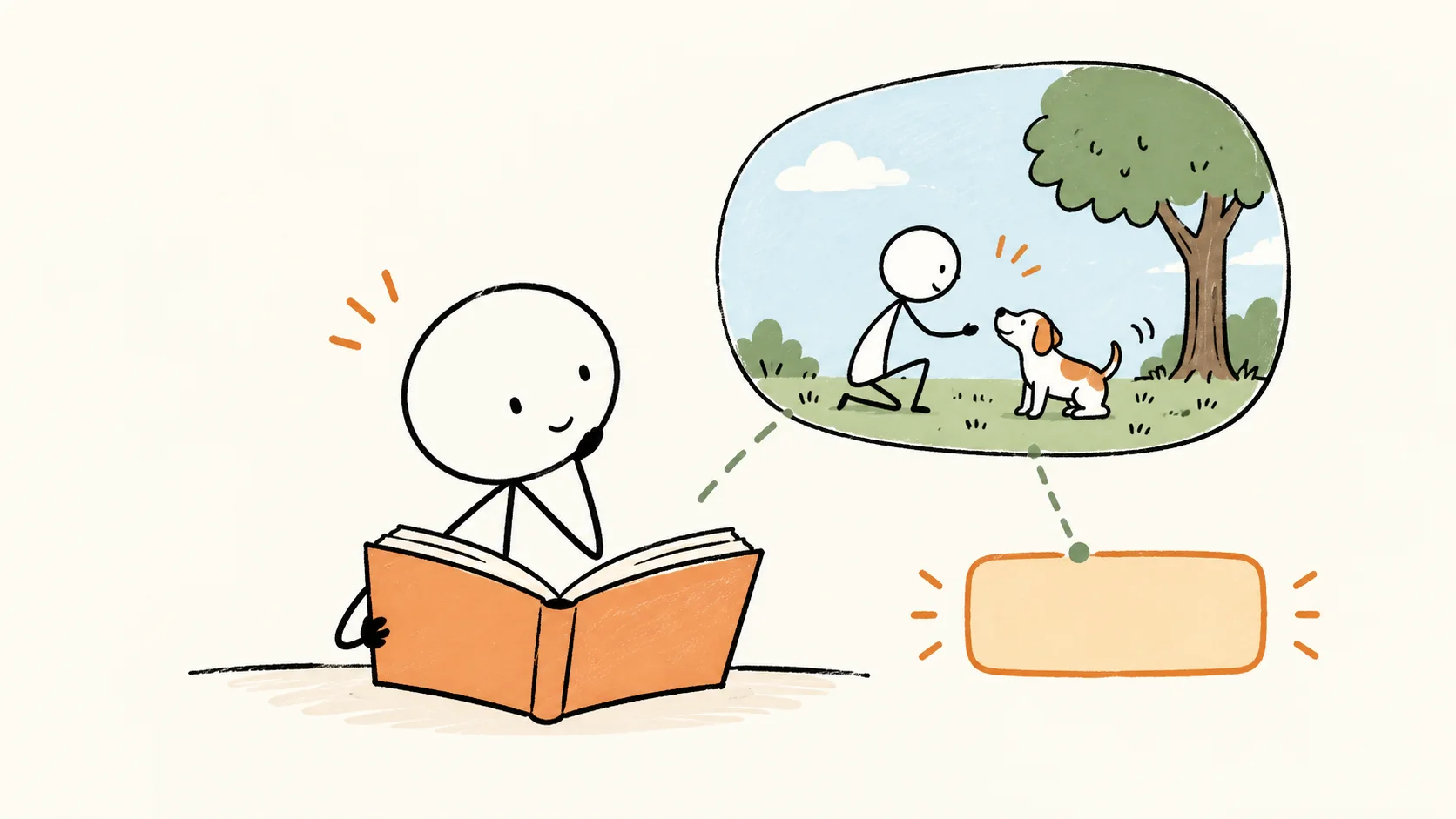
Explore illustrated scenes and short videos. Start with a situation you want to understand, at a level that keeps the main idea within reach.
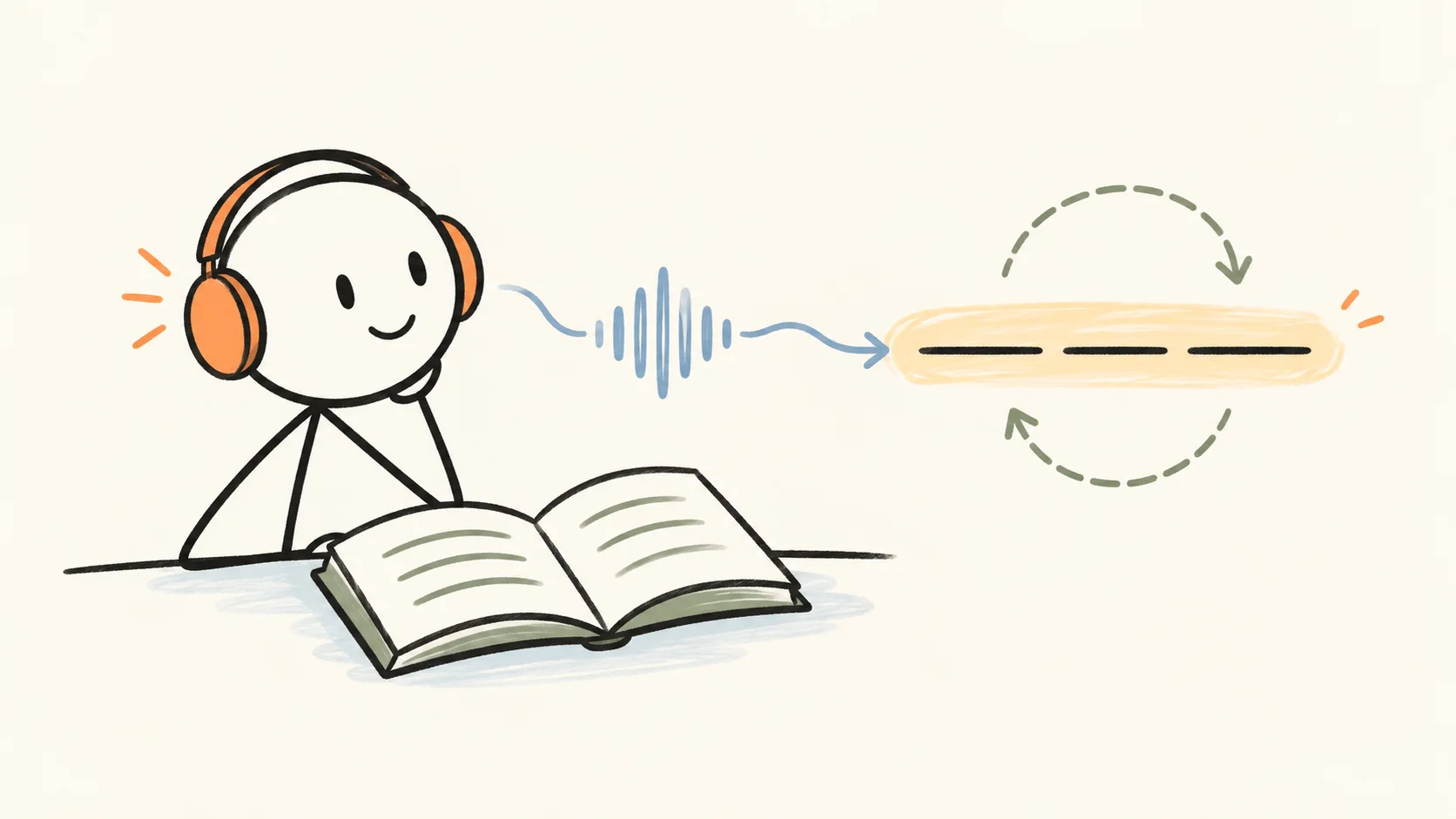
Explore the guideRead with audio and inspect words without leaving the scene. Use a meaning to clear an obstacle, then return to the sentence.
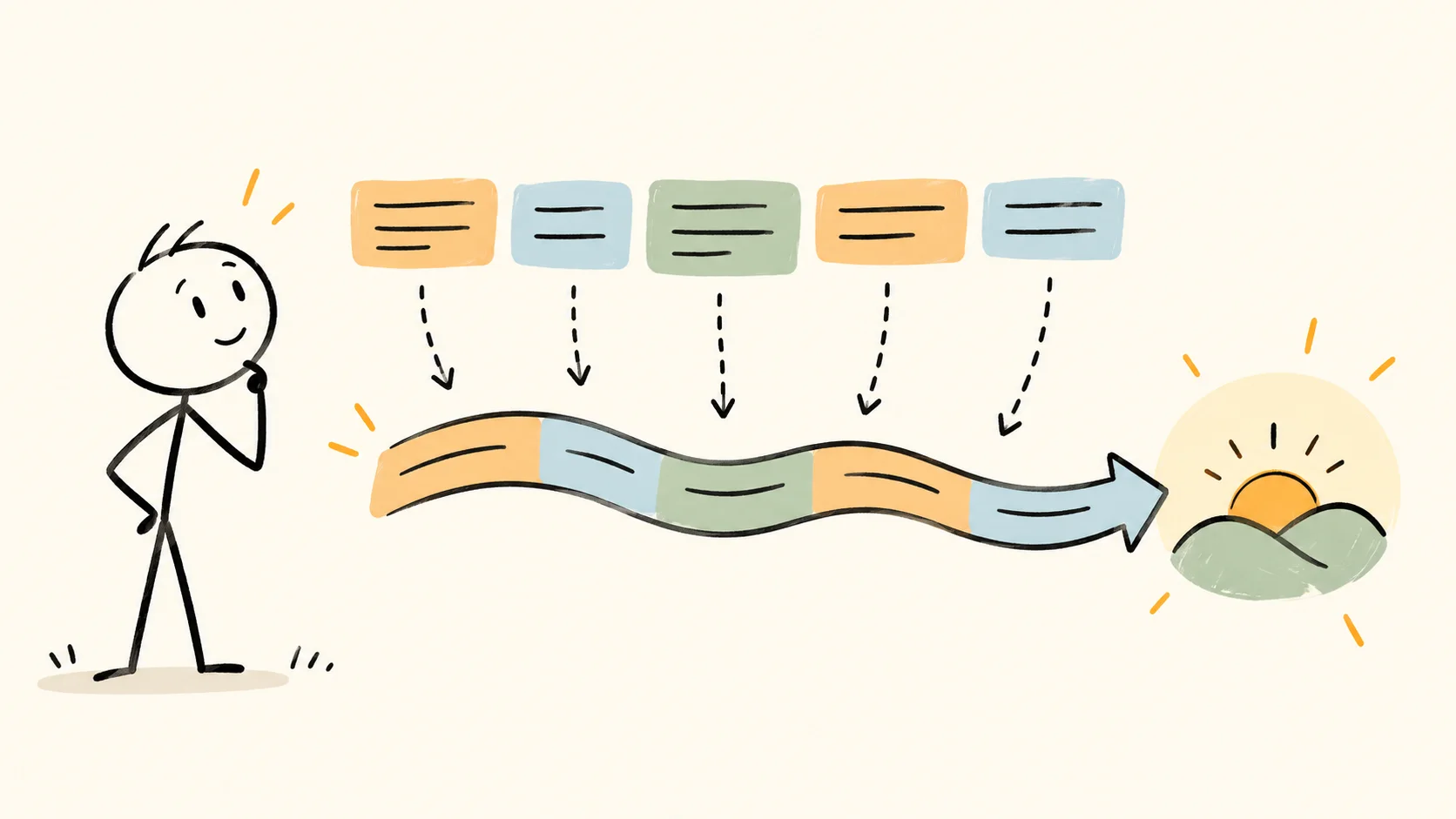
Explore the guideSave useful vocabulary with context. Revisit the original sentence in flashcard review and try the expression in a sentence of your own.
Explore the guide
Return to saved words and review decks. A short session can connect today’s story with something you want to recognise tomorrow.
Explore the guide
Practice
Choose a quick listening or translation exercise using sentences from Lexiego stories.
Short videos
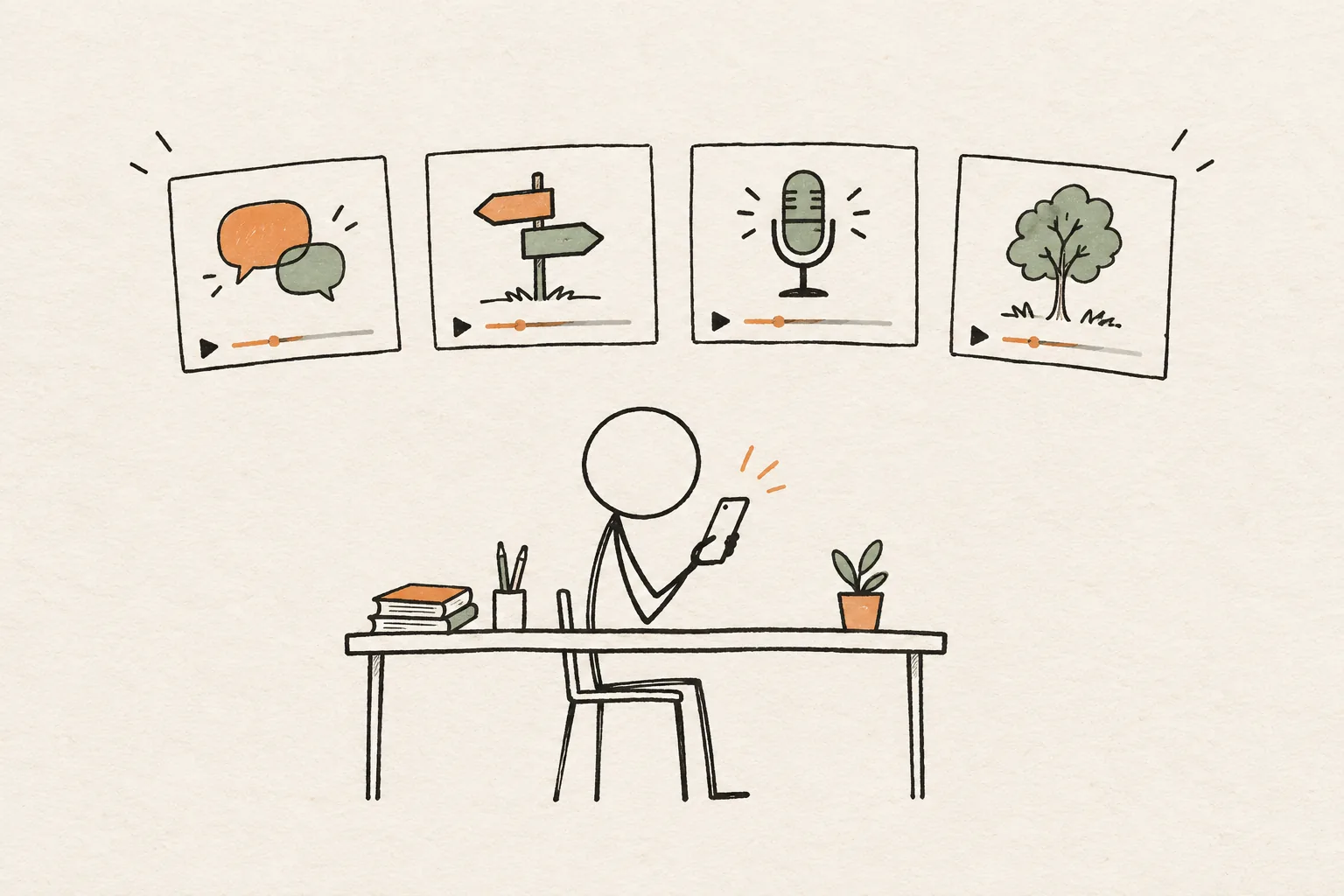
Watch for the main idea, inspect a useful expression and replay it. Make each clip something you can explain before the next swipe.
Learning guide
Make short English videos part of an active learning routine. Practise listening, use subtitles carefully and revisit useful expressions.
Learning guide
Use German video clips to practise listening for verbs, connected speech and everyday expressions, with a repeatable active-watching routine.
Use reading and C-Test-style exercises to practise language in context. Support your IELTS, TOEFL, TestDaF or onSET study with vocabulary work, then practise the official exam tasks separately.
This short demonstration is a practice exercise, not a certified language assessment.
The tr___ passed thr___ stations he h___ never se___ or heard ab___ before.

Learning paths
English and German are our main learning paths. Stories and reading practice are also available for French, Spanish and Turkish; short videos are currently available in English and German.
Blog
Practical reading, listening and review routines you can try today.
BlogBlog
Use a short story to select vocabulary, understand word combinations and practise recall. A worked example for English and German learners.
Blog
A practical routine for using stories and audio together: listen for meaning, inspect difficult phrases and replay with less text support.
Blog
Use sentence patterns, short scenes and selective translation to understand German as connected language. A practical example and routine.
FAQ
Clear answers about stories, vocabulary review and exam-focused practice in Lexiego.
Lexiego brings short stories, audio, videos, word meanings in context, saved vocabulary and reading exercises into one learning routine for English and German.
No. You meet words inside a scene or sentence first, then save selected expressions with their original context for later review.
A translation on its own gives you little information about how a word behaves. Reading and hearing a word in a meaningful phrase, then recalling it later, gives you more useful practice.
Lexiego can support vocabulary, reading and listening routines around these goals. It does not replace official exam materials, a certified assessment or complete exam simulation.
No. Stories, audio, videos and contextual review can support your input and vocabulary work. Add speaking and writing practice when those skills are part of your goal.
Choose a small task you can finish: understand one scene, replay one sentence, save one useful expression or review a short set of words. A consistent, focused session is easier to return to than an unrealistic plan.
Lexiego
Explore stories, short videos and reading practice in Lexiego. Start with content you want to understand, then revisit useful words.