Blog
Learning German: move beyond translating every word
Translation can be a useful tool, especially when you are starting. The difficulty appears when you treat every German sentence as a row of independent words and rebuild it in your first language before understanding the event.
Keep translation, but give it a specific job
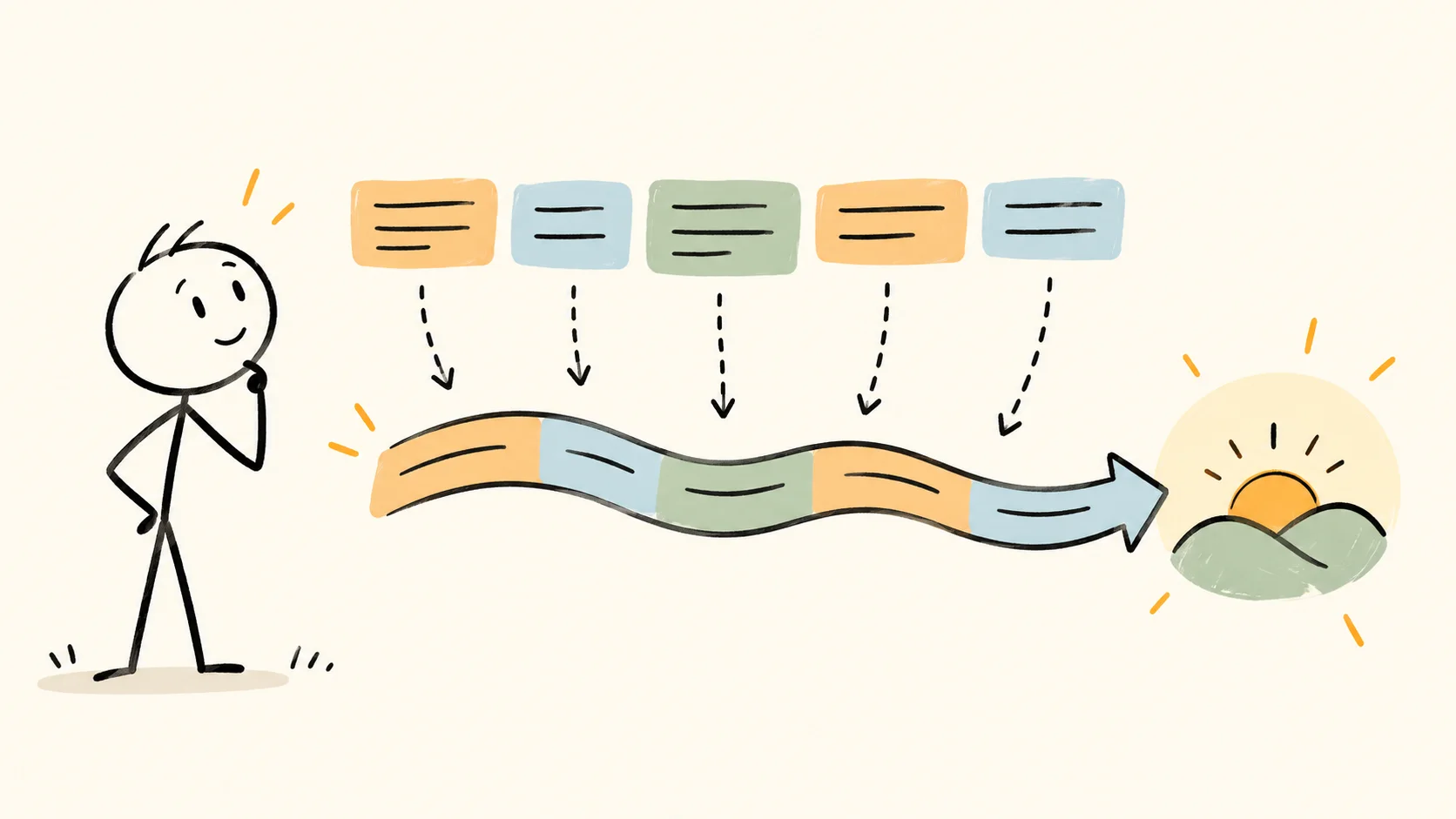
Translate when a phrase blocks the main idea or when you need to check a mistaken interpretation. Then return to the German sentence. The objective is not to ban your first language; it is to avoid making a translation the only thing you remember.
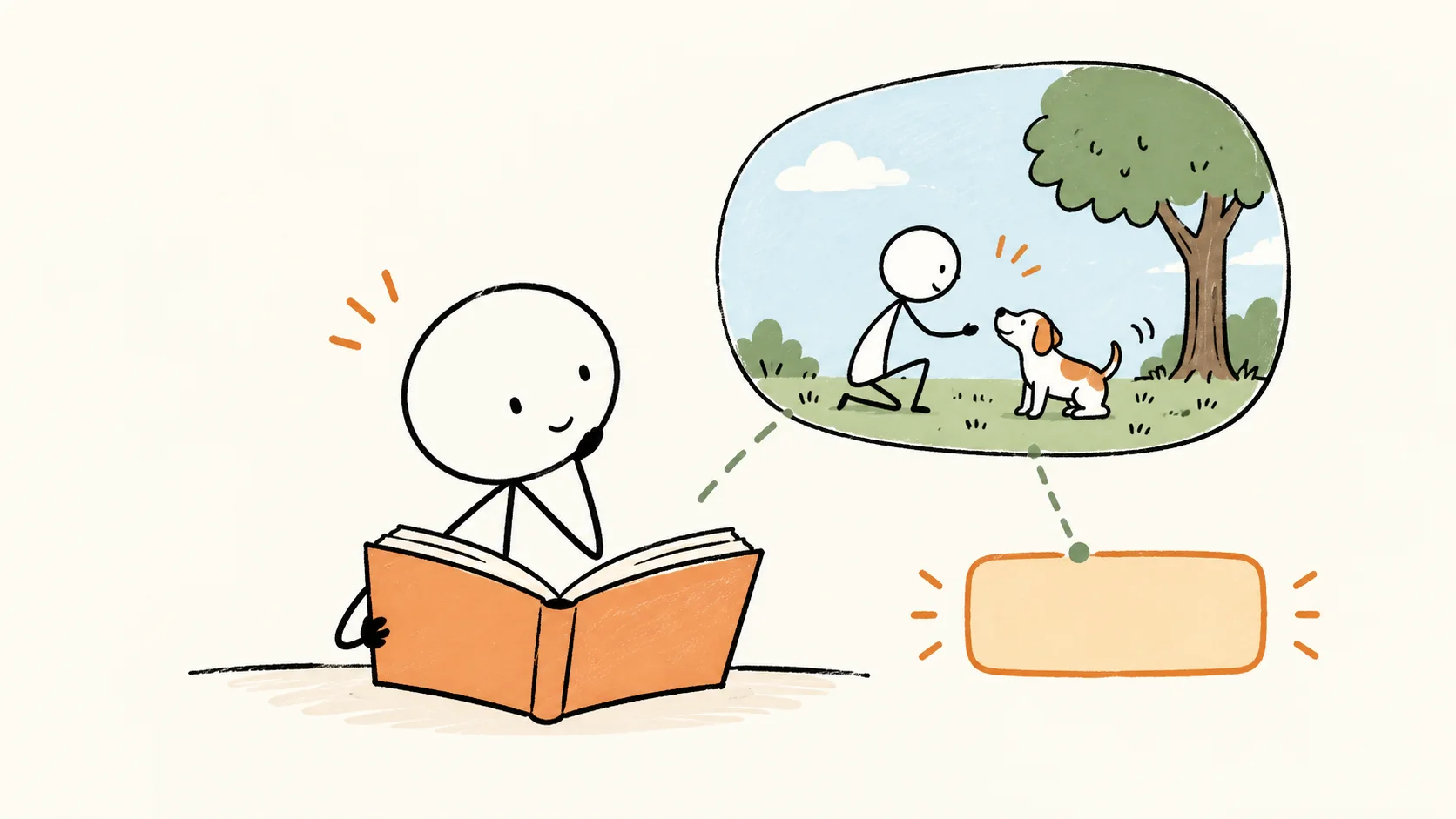
Ask what is happening in the scene before inspecting every word. A picture or the previous sentence may help establish that meaning. Confirm your guess with the language rather than relying on the image alone.
Learn a whole sentence pattern
German phrases carry information in their structure. Keep a verb with its preposition and a noun with its article. Notice the whole clause when the verb appears at the end.
Ich freue mich auf das Wochenende.Change one part while keeping the structure
After reading a phrase, reuse it for something familiar. Changing only the person, object or time helps you focus on the pattern. Later, try a new sentence without looking at the original.
If you cannot recall it, return to the scene and ask what the character wanted or felt. Meaning can be a cue for the phrase. Do not measure progress by whether you never translate; check whether you can understand and reuse more connected language.
A story-based routine
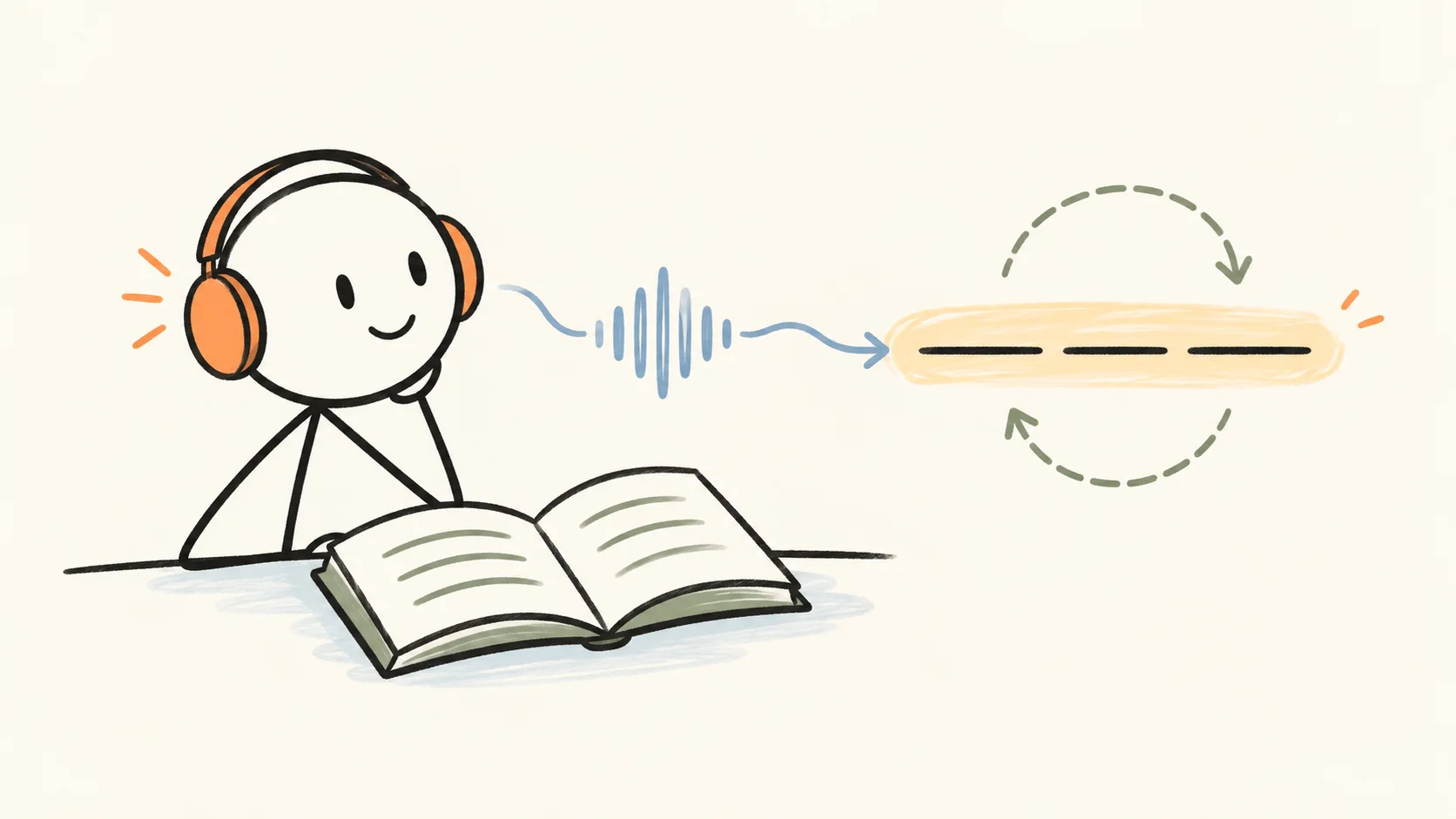
Lexiego provides stories, audio and word explanations on tap. Use an explanation to clear a specific obstacle, then continue reading. Save a useful phrase and test it in your own sentence during review.
- Identify the event in a short German scene.
- Check one phrase that blocks understanding.
- Keep its grammatical pattern with the sentence.
- Change one detail and retell the scene.