Learning guide
Learn German with short stories and audio
Short German stories let you follow a complete event without starting a long novel. They also show how articles, verbs and connecting words work inside a situation.
Understand the scene before analysing the grammar
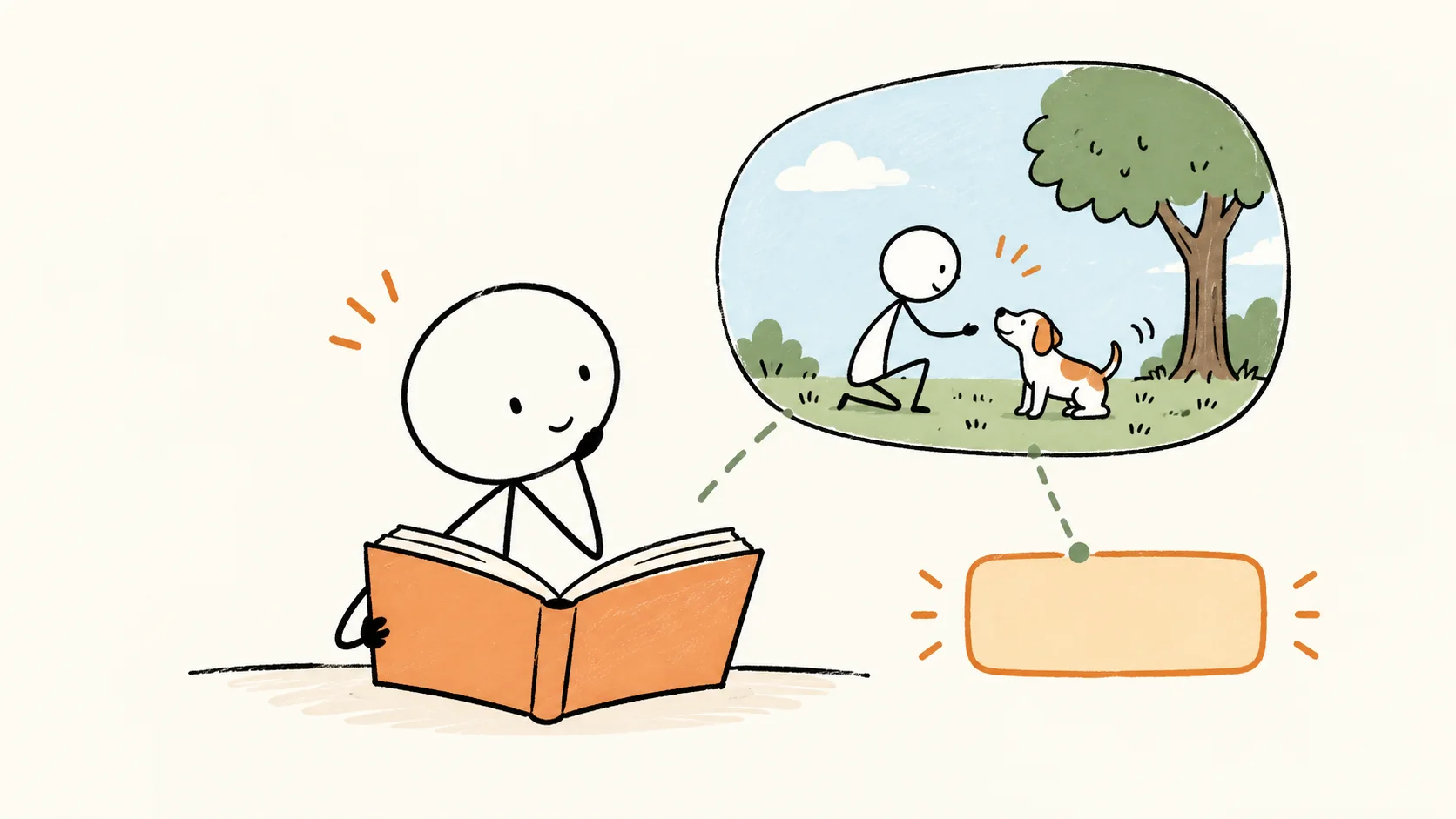
Identify the people, the place and the change in the story. If you can explain those, you have a foundation for a closer look at the language. Keep dictionary use focused on expressions that block the main idea.
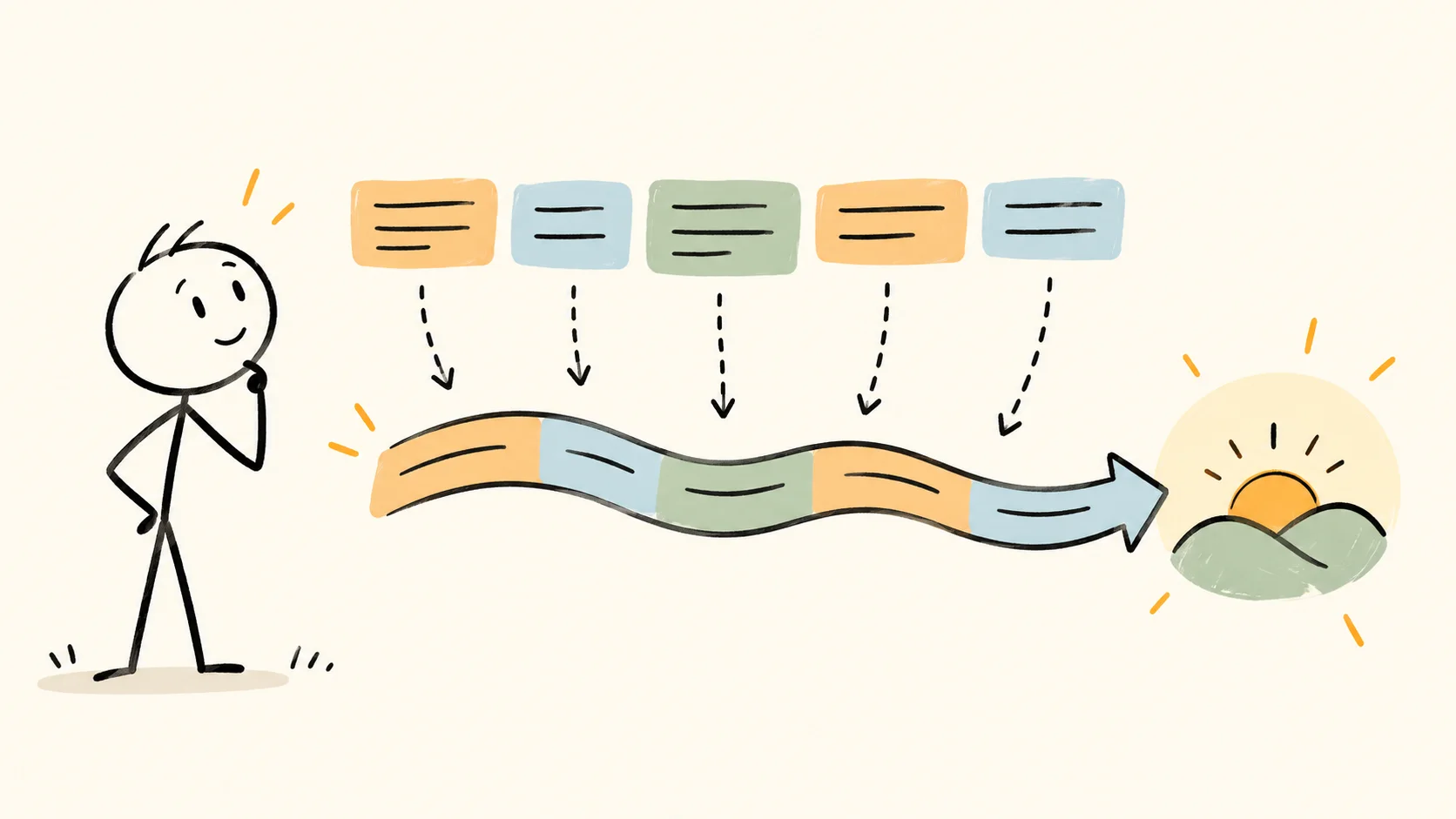
On a second reading, notice a pattern rather than a list of words. For example, track how the story uses “zuerst”, “dann” and “schließlich” to put events in order. These small words help you tell your own story too.
Read for sequence and cause
A good exercise connects a form to a decision in the scene. Ask what caused the character to act, then change a detail and reuse the sentence pattern.
Zuerst suchte Jonas seinen Schlüssel. Dann bemerkte er, dass die Tür schon offen war.Move from a German story to your own sentences
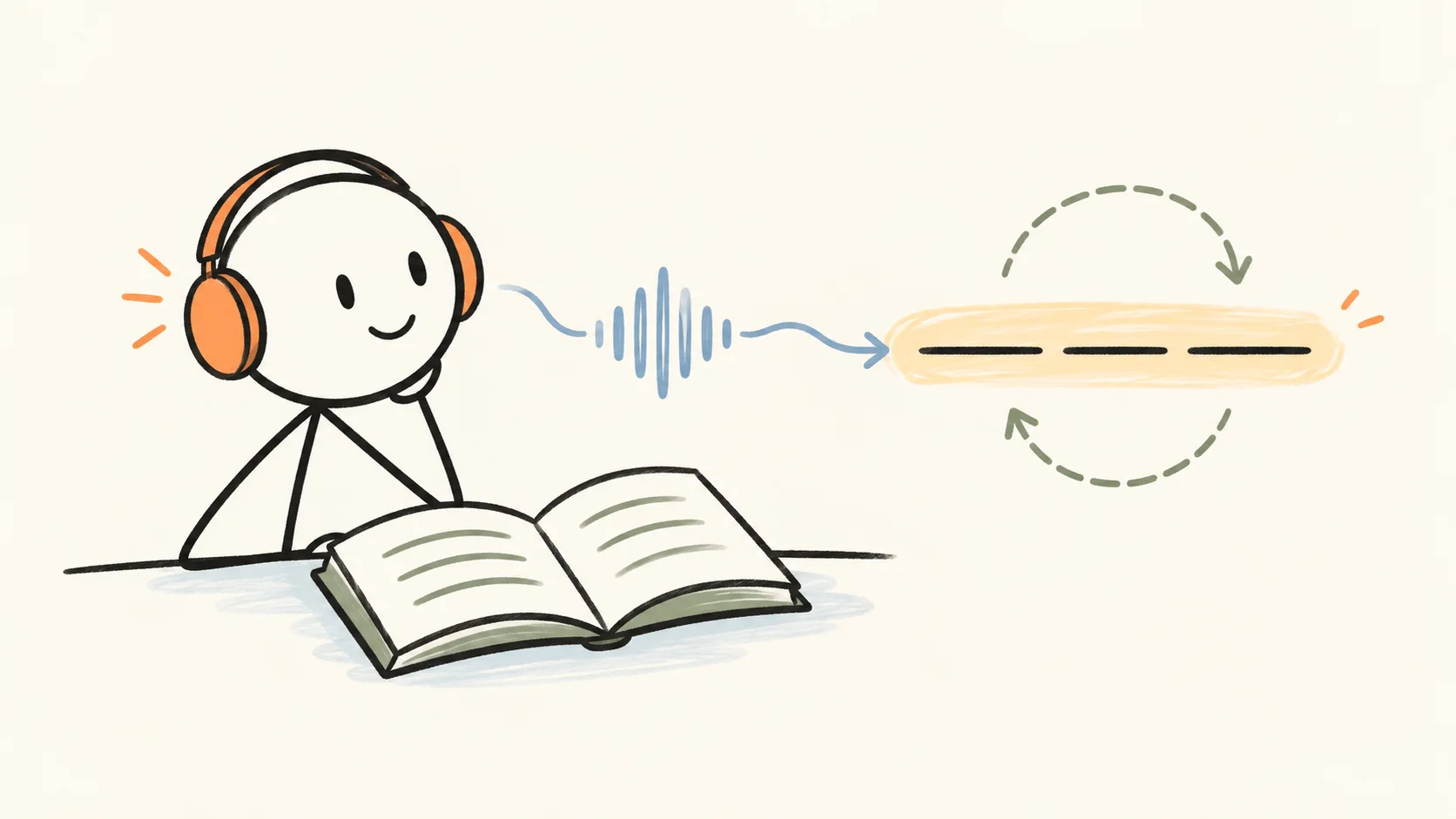
Lexiego can support this routine with illustrated stories, audio and meanings on tap. Your own retelling adds an active task; you can write it down or say it aloud.
- Listen for the scene, then check the written story.
- Choose one connector and one complete phrase.
- Save the expression with its sentence.
- Retell the event and change one detail on the next reading.