Learning guide
Learn German through stories, listening and vocabulary in context
Learning German is not only remembering the English equivalent of a word. You also need to notice its article, its place in a sentence and the expressions it belongs to.
Notice how words work together
When you meet a new noun, keep its article and an example phrase. With a verb, notice what comes after it. A sentence such as “Sie wartet auf den Bus” is more informative than a card that only says “warten = wait”.
Read for the event first. On a second pass, look for one pattern: a separable verb, a preposition or the position of the verb after “weil”. You do not need to analyse every grammatical detail at once.
Follow the sentence, not the word order of your first language
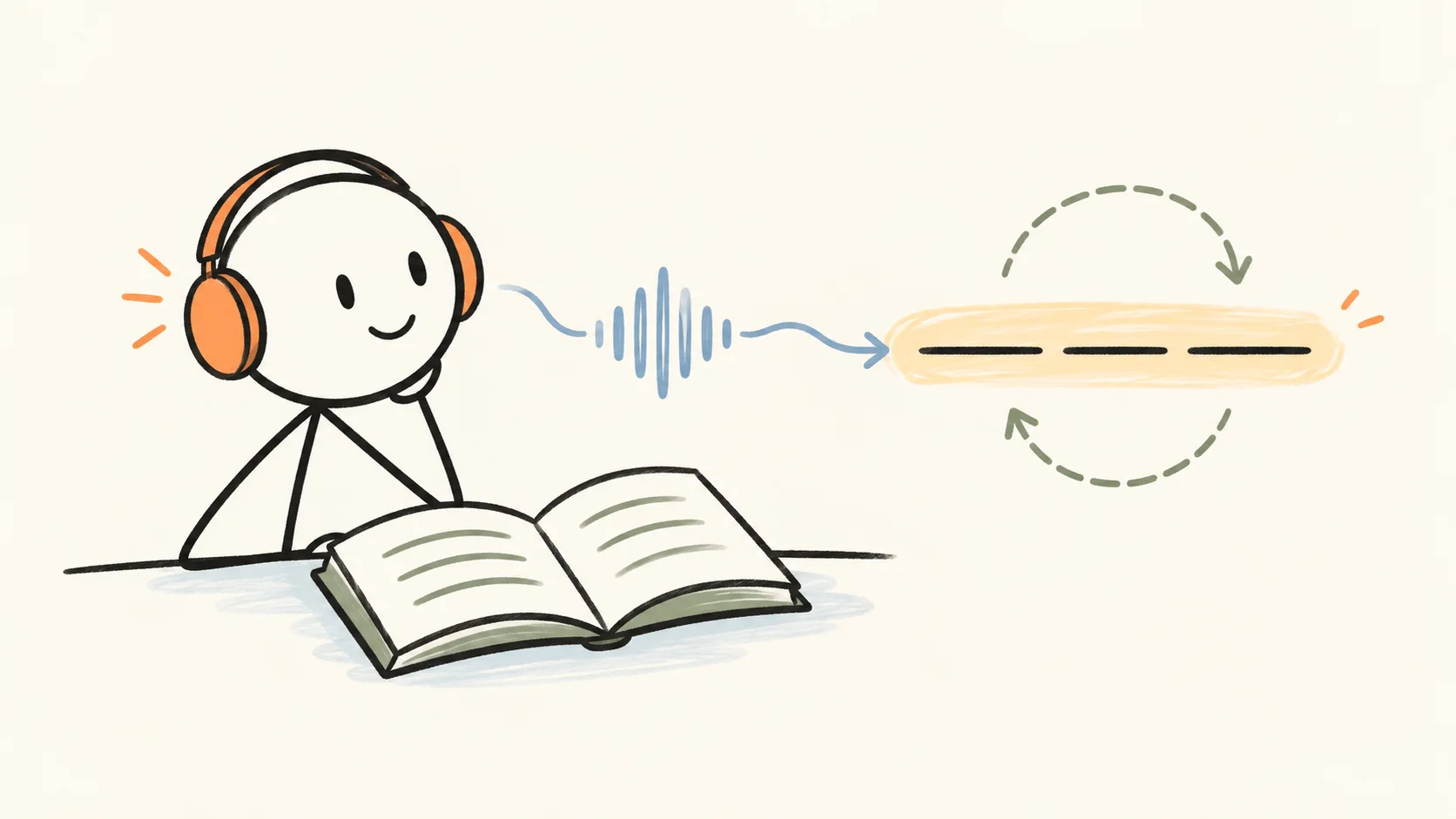
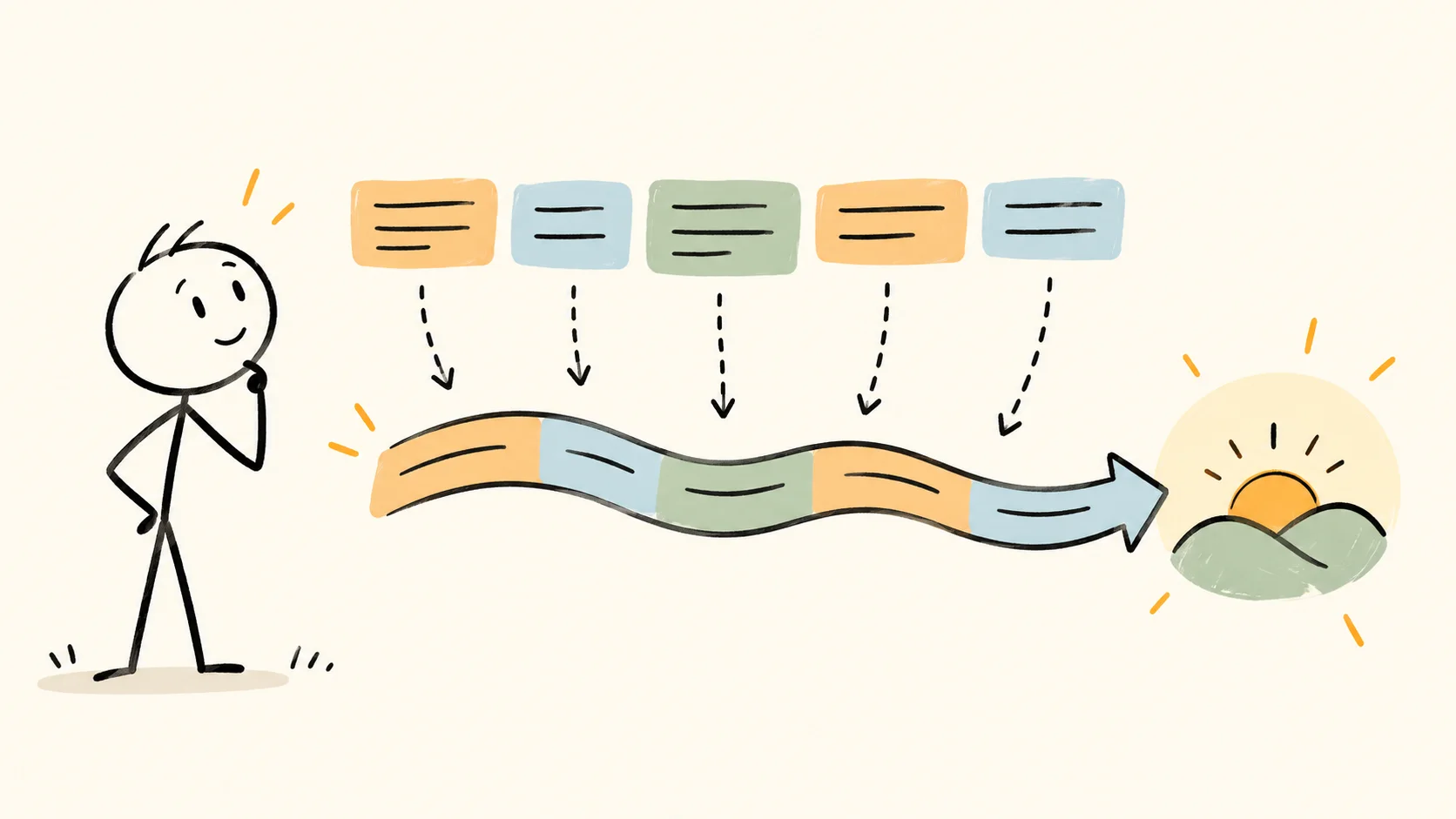
German sentences can delay information until the end. Listen to the complete phrase before deciding what it means. Rereading with audio gives you another chance to connect its parts.
Weil es regnet, nimmt Lara den Bus zur Arbeit.Use Lexiego as part of a German study routine
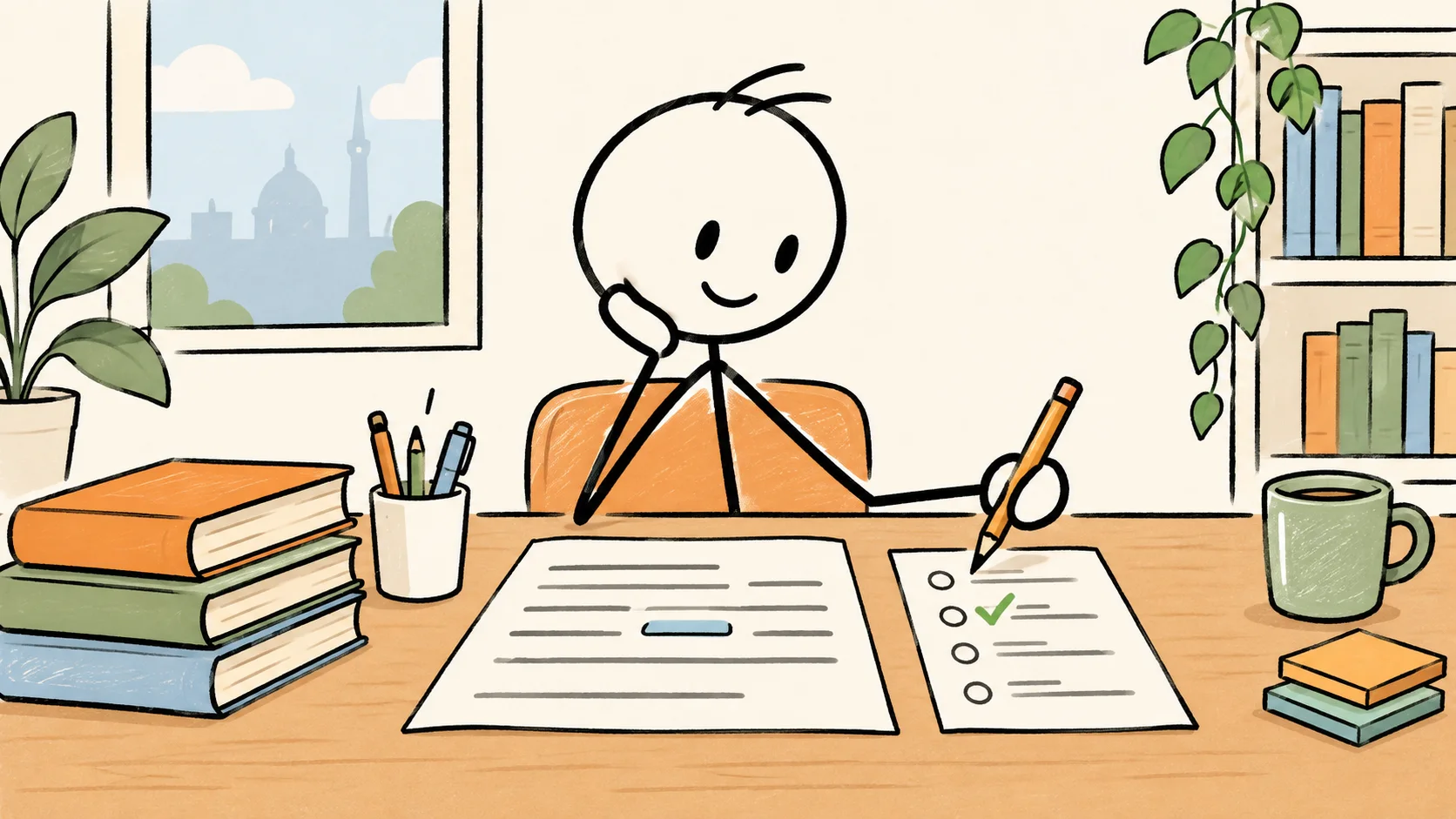
Stories, word meanings and contextual review can support reading and listening. Add speaking and writing tasks outside the app when those are part of your goal. For exams, combine vocabulary work with the official task formats.
- Choose a German story at a manageable level.
- Listen once for the overall situation, then read.
- Save a phrase with its article or preposition.
- Retell the scene in two simple German sentences.