Blog
German sentence structure: where the verb goes in a sentence
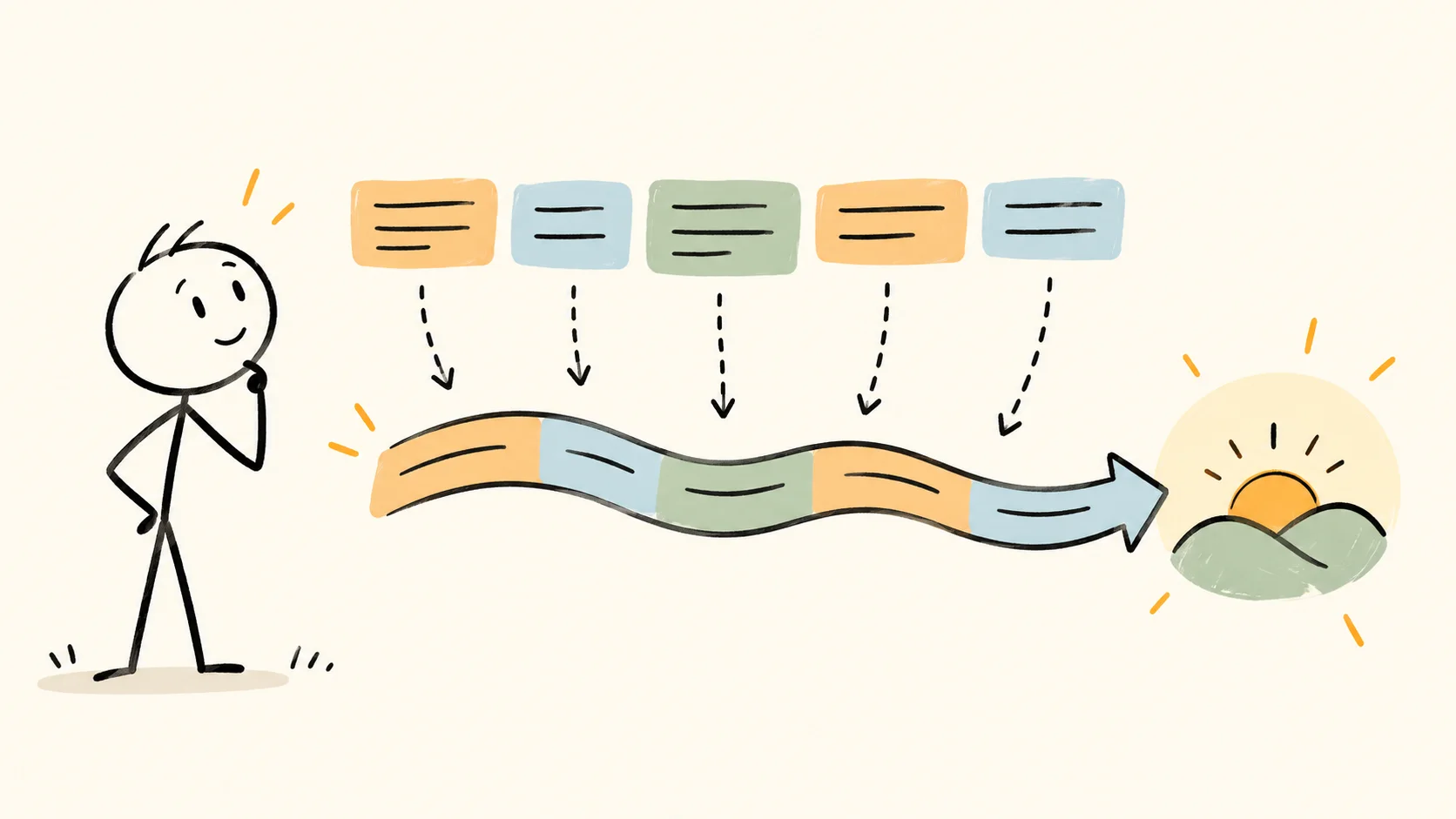
German sentences can feel puzzling when you expect every verb to stay next to its subject. The good news is that the word order follows a few patterns you can notice in real sentences. Start with the position of the main verb, then look at what changes when you add a question, a second clause or a separable verb.
In a German main clause, the conjugated verb is usually second
In a normal statement, the conjugated verb takes the second position. “Second” means the second sentence part, not always the second individual word. If you begin with a time or place phrase, the subject usually comes after the verb.
Heute fährt Lena mit dem Zug nach Berlin.Questions and requests move the verb
In a yes-or-no question, the conjugated verb usually comes first: “Hast du heute Zeit?” A question word takes the first position, followed by the verb: “Wann fährt der Zug?” These patterns make it easier to hear what kind of sentence is coming.
In many subordinate clauses, the verb moves to the end
Words such as “weil” and “dass” introduce a subordinate clause. In that clause, the conjugated verb usually comes last. Read or listen to the whole clause before deciding how its parts fit together.
Ich nehme den Zug, weil mein Auto heute in der Werkstatt ist.Keep an eye on separable verbs
Some German verbs split in a main clause. In “Ich rufe dich später an”, the conjugated part “rufe” is in the second position and “an” goes to the end. With a modal verb, the full verb stays at the end as one word: “Ich möchte dich später anrufen.”
These examples are starting points. German word order can change with sentence type and verb forms, so learn each pattern in a full sentence rather than trying to memorise a single rule for every case.
A short routine to practise German word order
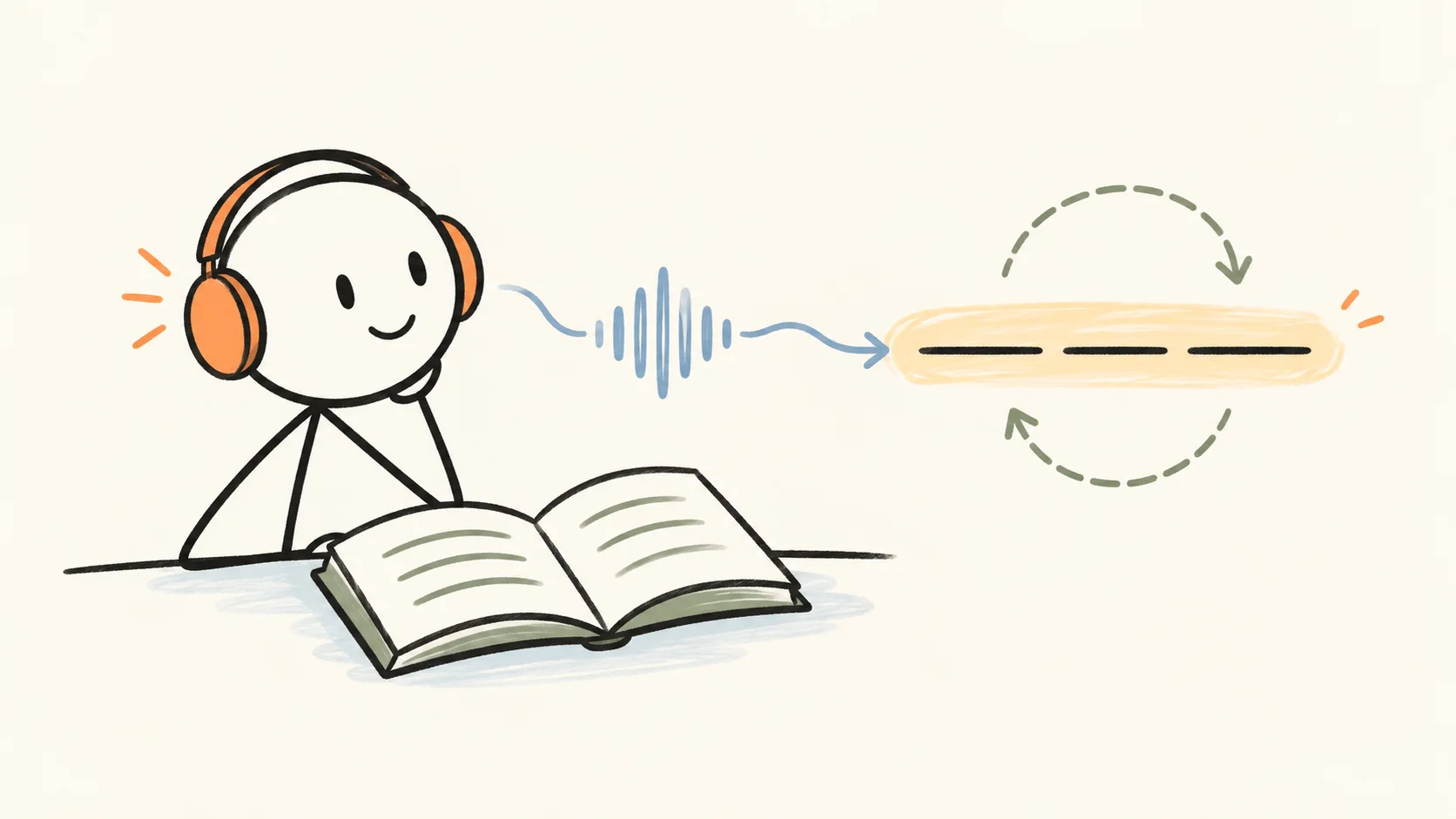
Choose a short German passage and find one statement, one question or one subordinate clause. Mark the conjugated verb, then read the sentence aloud or listen to it. Cover the example and make a new sentence by changing the time, person or reason.
In Lexiego, you can work with German stories, audio and vocabulary in context. Save a sentence pattern you want to revisit and connect it with wider reading, listening and conversation practice.
- Find the verb in one complete German sentence.
- Notice whether the sentence is a statement, question or subordinate clause.
- Say the sentence again with one detail changed.
- Return to the original example later and check the pattern from memory.