Blog
English B1 to B2: a practical plan for the learning plateau
At B1, you can usually talk about familiar parts of life, but a fast conversation, an unfamiliar article or a longer explanation can still feel like a wall. That does not mean you have stopped learning. It often means the next step is less visible: you need to understand more connected English and use it with more confidence.

What changes between B1 and B2?
B1 English helps you manage familiar situations and explain the main point of a topic. At B2, you can follow longer discussions, understand the reasons behind an opinion and make your own point with supporting detail. The change is not one new grammar rule or a magic vocabulary number. It is being able to follow and express more of the message.
You may already know many useful words but meet them in unfamiliar combinations. A word you recognise in a short exercise can still be hard to catch in a podcast or use in a conversation. That gap between recognising and using English is a helpful place to focus.
Choose English you can mostly follow
Pick a short article, video or podcast on a subject you already care about. You should be able to follow the main idea without looking up every sentence. If you cannot tell what is happening, make the material easier or shorter; if every word is familiar, try a slightly bigger challenge.
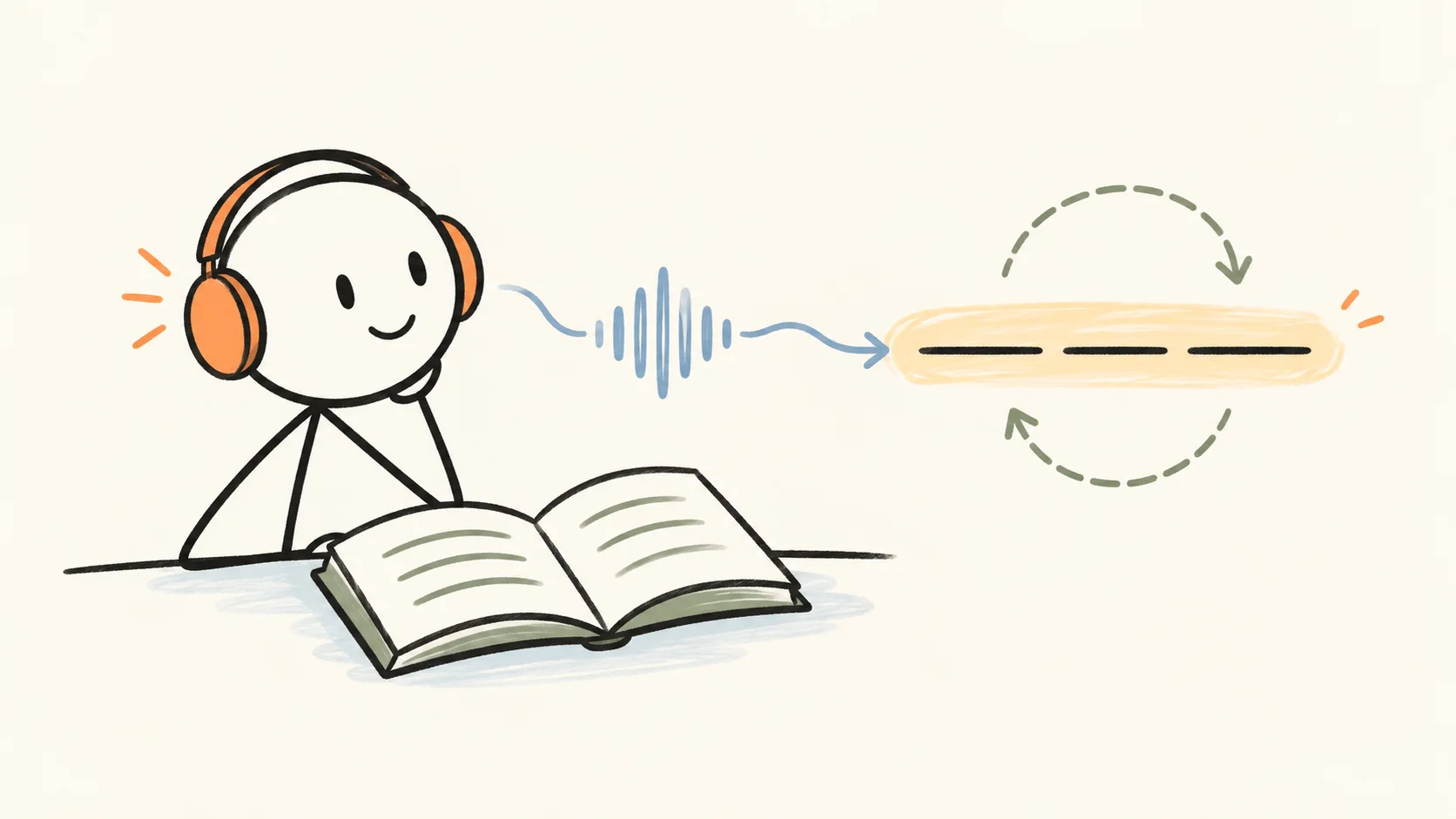
On the first pass, ask what the speaker or writer is saying. On the next pass, choose one or two phrases that make the message clearer or that you could use yourself. Learning a phrase with its sentence often gives you more to work with than saving a translation on its own.
I meant to reply earlier, but the day got away from me.Turn recognition into something you can say
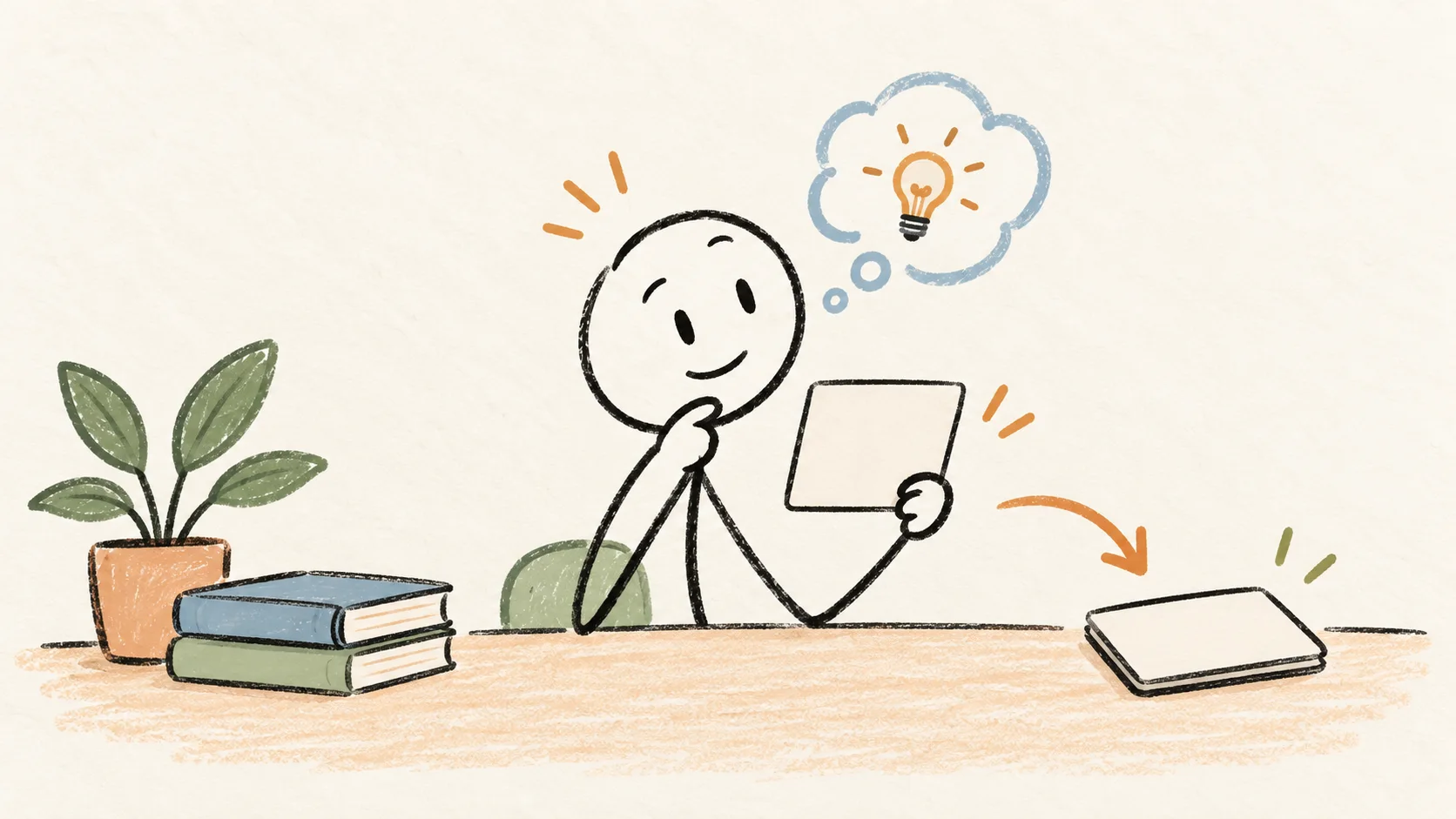
After reading or listening, close the text and explain the main point in two or three sentences. Then try to use one useful phrase in a new sentence. You do not need to sound like the original speaker; the point is to bring the meaning back from memory.
When a phrase does not come back, check the original sentence and notice what made it difficult. It may be a new meaning, a word combination or the way the sentence was put together. Keep that example for a later review.
A simple weekly routine for English B1 to B2
Short, repeatable sessions are easier to keep than a large plan that only works on a perfect day. Across the week, give yourself time to read or listen, revisit a few saved phrases and explain something in your own words. Include different topics so you can practise following English beyond one familiar subject.
Lexiego can support the vocabulary part of this routine with stories, audio and saved-word review. Pair it with real listening and speaking practice that fits your goals. An app can help you return to words; it cannot promise a particular level by a fixed date.
- Choose a short English text or audio you mostly understand.
- Write down one or two useful phrases with their original sentences.
- Later, recall the meaning before checking the example.
- Use one phrase to summarise, write or say something new.